What is really inside the Russian president's 'nuclear briefcase'
During a visit to China, Russian state media showcased the 'Cheget' device accompanying the Russian president. Experts clarify what this equipment actually does and why its public display carries symbolic weight.
 🏛️Politics
Photo: TSN
Key points
- The 'Cheget' system is a communication tool, not a launch button
- The device is part of the 'Kazbek' infrastructure
- Public display of the case is an element of political pressure
The Purpose of the 'Cheget' System
During Vladimir Putin's recent visit to China, a black case accompanying the Russian leader drew media attention. Russian state television confirmed it is the 'Cheget' device, a key component of the 'Kazbek' nuclear command and control system.
Contrary to popular myths, there is no 'red button' or mechanism for an instant missile launch inside. It is a specialized secure communication terminal that connects the president with military command. The system allows for receiving operational data and transmitting orders through a chain of command that requires the involvement of military personnel.
History and Symbolism
The system has been in operation since 1983, a legacy of the Cold War era. Generally, there are three such sets in Russia: for the president, the defense minister, and the chief of the General Staff. While the public display of the device in China was unusual, experts, including Professor Simon Mabon, view it as an element of 'political theater.'
Showcasing the 'nuclear briefcase' against the backdrop of discussions on the war in Ukraine and arms control is an attempt by Russia to emphasize its status in global geopolitics. This occurs amidst regular statements from Russian leadership regarding the potential use of its nuclear arsenal, which creates additional tension in international relations.
Source TSN — tsn.ua/svit/iaderna-valizka-putina-shcho-naspravdi-vseredyni-ta-chy-ye-… ↗
Read next
 🚨Events
All flights to be cancelled in Belgium due to nationwide strike
Belgium's airspace will be paralyzed for a day due to an air traffic controllers' strike, affecting tens of thousands of passengers.
 🛡️Security
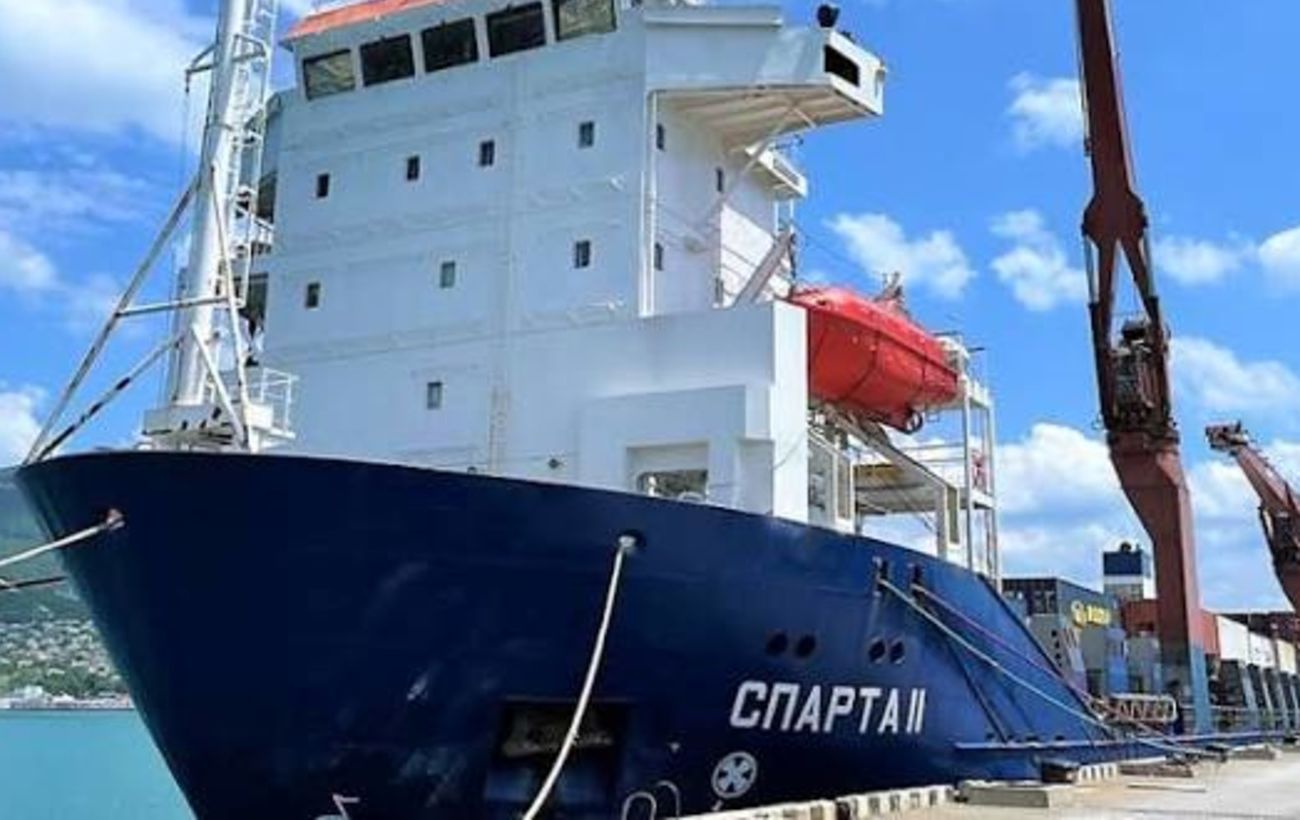
Russian vessel Sparta II still on fire in Gulf of Finland following Ukrainian drone attack
Rescue operations are ongoing in Finnish territorial waters to extinguish a fire on the Russian cargo ship Sparta II, which was targeted by drones on November 21.
 🧠AI Analysis
Law Enforcement Showdown: Why NABU's Investigation Against Special Forces Threatens the Legal System
The National Anti-Corruption Bureau has initiated criminal prosecution against SBU Alpha special forces fighters over the seizure of 25,000 dollars during last year's sea…
 🚌Transport
The Philosophy of Repair: Why Ukraine's Post-War Future Begins with Maintenance
The current realities require a shift in perspective on infrastructure, moving away from grand construction toward the invisible, daily labor of repairing a broken world.
 🧠AI Analysis
Energy Crisis in Odesa: Consequences of Massive Attacks on Critical Infrastructure
Due to enemy strikes on energy facilities, Odesa was left without electricity, water, and heating, public transport was halted, and schools shifted online.
 🚌Transport
NABU Parliamentary Oversight: Expert Comments on Kryvonos's Absence from Temporary Inquiry Commission
Political expert Volodymyr Sonyuk stated that NABU Director Semen Kryvonos must personally provide explanations to the parliamentary Temporary Inquiry Commission regardin…