The Philosophy of Repair: Why Ukraine's Post-War Future Begins with Maintenance
The current realities require a shift in perspective on infrastructure, moving away from grand construction toward the invisible, daily labor of repairing a broken world.
 🚌Transport
Photo: Ukrainska Pravda
Key points
- Repair and maintenance form the backbone of modern infrastructural survival.
- The invisible work of utility operators is frequently overlooked by the broader public.
- Communities must prioritize routine preventative care over new grandiose construction projects.
The Invisible Labor Behind Everyday Infrastructure
Anyone who has experienced a blackout after an energy strike knows the familiar scene: utility workers laboring late into the night under headlights to restore power. This crucial labor often goes unnoticed by a public that takes basic services for granted. Technology scholar Steven Jackson coined the term 'broken world thinking,' urging society to view technology through the eyes of repair workers who see a reality that constantly unravels and is held together only by daily patching.
While past eras focused on grandiose building or deconstruction, the present moment demands a culture of repair. We never start with a blank slate; everything we inherit is already damaged and weathered. A striking illustration of this is the debate surrounding the drained Kakhovka reservoir, where nature has begun growing a vast floodplain forest, complicating the choice between ecological restoration and traditional water management.
Moving from Crisis Management to Routine Maintenance
A recurring pattern in governance is reacting to problems only after they become public scandals, resembling firefighting rather than methodical maintenance. True societal resilience, however, does not come from heroic responses to emergencies, but from boring, preventative upkeep carried out long before things break down completely.
For communities like Kropyvnytskyi, this philosophy emphasizes a pragmatic approach to local issues. Prioritizing the maintenance of aging utility networks, roads, and housing stock over ambitious new projects is essential. Accepting that recovery is a continuous process of patching and adapting allows local communities to better navigate long-term challenges.
Source Ukrainska Pravda — pravda.com.ua/columns/2026/11/22/8063089/ ↗
Read next
 🚨Events
All flights to be cancelled in Belgium due to nationwide strike
Belgium's airspace will be paralyzed for a day due to an air traffic controllers' strike, affecting tens of thousands of passengers.
 🛡️Security
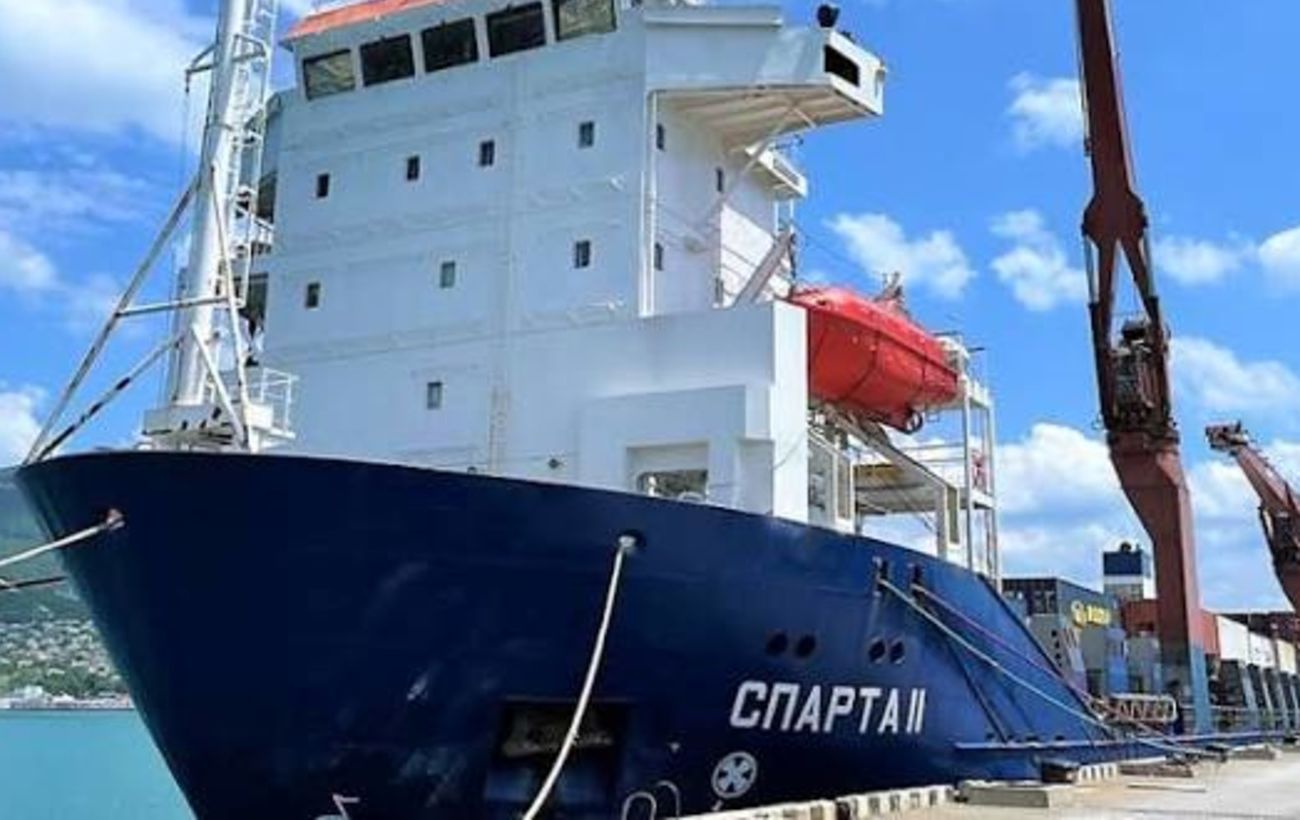
Russian vessel Sparta II still on fire in Gulf of Finland following Ukrainian drone attack
Rescue operations are ongoing in Finnish territorial waters to extinguish a fire on the Russian cargo ship Sparta II, which was targeted by drones on November 21.
 🧠AI Analysis
Law Enforcement Showdown: Why NABU's Investigation Against Special Forces Threatens the Legal System
The National Anti-Corruption Bureau has initiated criminal prosecution against SBU Alpha special forces fighters over the seizure of 25,000 dollars during last year's sea…
 🧠AI Analysis
Energy Crisis in Odesa: Consequences of Massive Attacks on Critical Infrastructure
Due to enemy strikes on energy facilities, Odesa was left without electricity, water, and heating, public transport was halted, and schools shifted online.
 🛡️Security
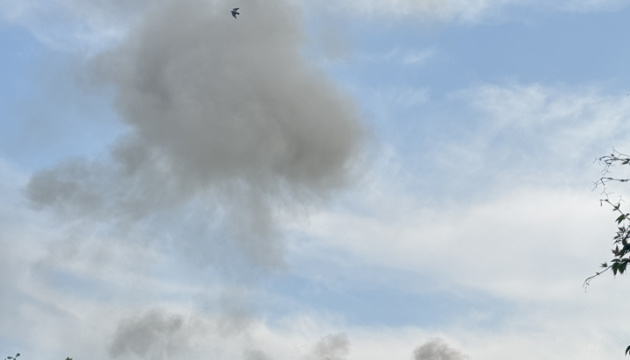
Enemy Attacks Energy Infrastructure in Zhytomyr Region Four Times in One Day
Russian forces carried out four drone strikes against energy facilities in the Zhytomyr region within 24 hours, attempting to leave residents without electricity and heat…
 🧠AI Analysis
Strike on residential building in Kyiv region: 14 missing under rubble in Dymer
A Russian drone strike partially destroyed an apartment building in Dymer, Kyiv region, with rescue operations underway to find 14 unaccounted-for residents.