The History and Traditions of New Year: Why We Celebrate on January 1
We explore the historical origins of the January 1 date and the evolution of New Year celebrations from ancient times to the present day.
 🧠AI Analysis
Photo: TSN
Key points
- January 1 became the start of the year thanks to Julius Caesar's reform.
- The month's name comes from the god Janus, symbolizing transition.
- The Gregorian calendar unified the celebration date in 1582.
- Different nations have unique rituals to attract prosperity.
The tradition of celebrating the New Year on January 1 has deep roots dating back to Ancient Rome. Although in ancient times different peoples linked the beginning of the calendar cycle to natural phenomena, such as the vernal equinox or the flooding of the Nile, it was the reform of Julius Caesar that established January as the starting point.
From Antiquity to the Gregorian Calendar
The name of the first month of the year comes from the two-faced god Janus, who symbolized transitions and beginnings. However, even after the introduction of the Julian calendar, European tradition remained diverse: in the Middle Ages, the beginning of the year in different regions could fall on Christmas, the Annunciation, or Easter.
Unification occurred only after the introduction of the Gregorian calendar by Pope Gregory XIII in 1582. Today, this system is generally accepted worldwide, although many cultures retain their own celebration traditions based on lunar or religious cycles.
Cultural Diversity of New Year Customs
- Spain: eating 12 grapes as the clock strikes midnight to attract good luck.
- Italy: consuming lentils, which symbolize financial prosperity.
- Japan: the Buddhist tradition of ringing bells 108 times to cleanse oneself of passions.
- Scotland: the 'first-footing' ritual, where the first guest to enter a home determines the hosts' fate for the year.
Source TSN — tsn.ua/tsikavinki/koly-sviatkuiut-novyy-rik-chomu-data-prypadaye-na-1-s… ↗
Read next
 🚨Events
All flights to be cancelled in Belgium due to nationwide strike
Belgium's airspace will be paralyzed for a day due to an air traffic controllers' strike, affecting tens of thousands of passengers.
 🛡️Security
Russian vessel Sparta II still on fire in Gulf of Finland following Ukrainian drone attack
Rescue operations are ongoing in Finnish territorial waters to extinguish a fire on the Russian cargo ship Sparta II, which was targeted by drones on November 21.
 🚌Transport
The Philosophy of Repair: Why Ukraine's Post-War Future Begins with Maintenance
The current realities require a shift in perspective on infrastructure, moving away from grand construction toward the invisible, daily labor of repairing a broken world.
 🚌Transport
NABU Parliamentary Oversight: Expert Comments on Kryvonos's Absence from Temporary Inquiry Commission
Political expert Volodymyr Sonyuk stated that NABU Director Semen Kryvonos must personally provide explanations to the parliamentary Temporary Inquiry Commission regardin…
 🛡️Security
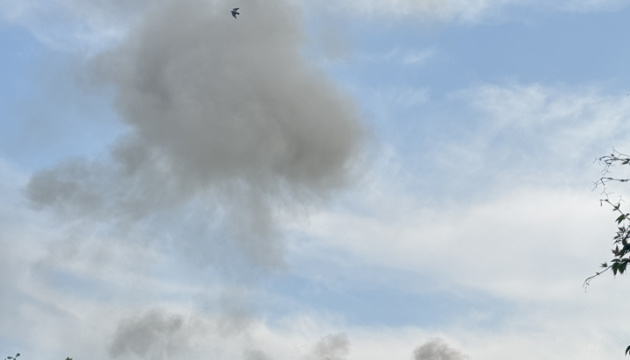
Enemy Attacks Energy Infrastructure in Zhytomyr Region Four Times in One Day
Russian forces carried out four drone strikes against energy facilities in the Zhytomyr region within 24 hours, attempting to leave residents without electricity and heat…
 🛡️Security
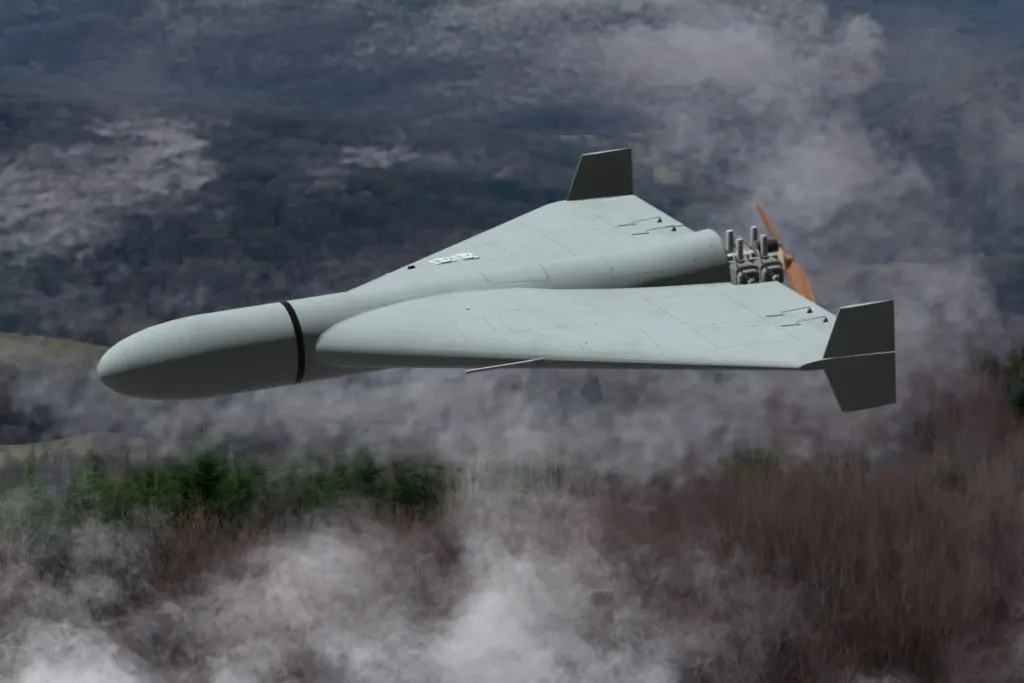
Nighttime Attack on Kropyvnytskyi: Enemy Drone Falls on Enterprise Territory
On the night of November 22, Kirovohrad region faced another drone attack, with a UAV fall recorded at an enterprise in the regional center.