Scientists discover how to generate electricity from cacti
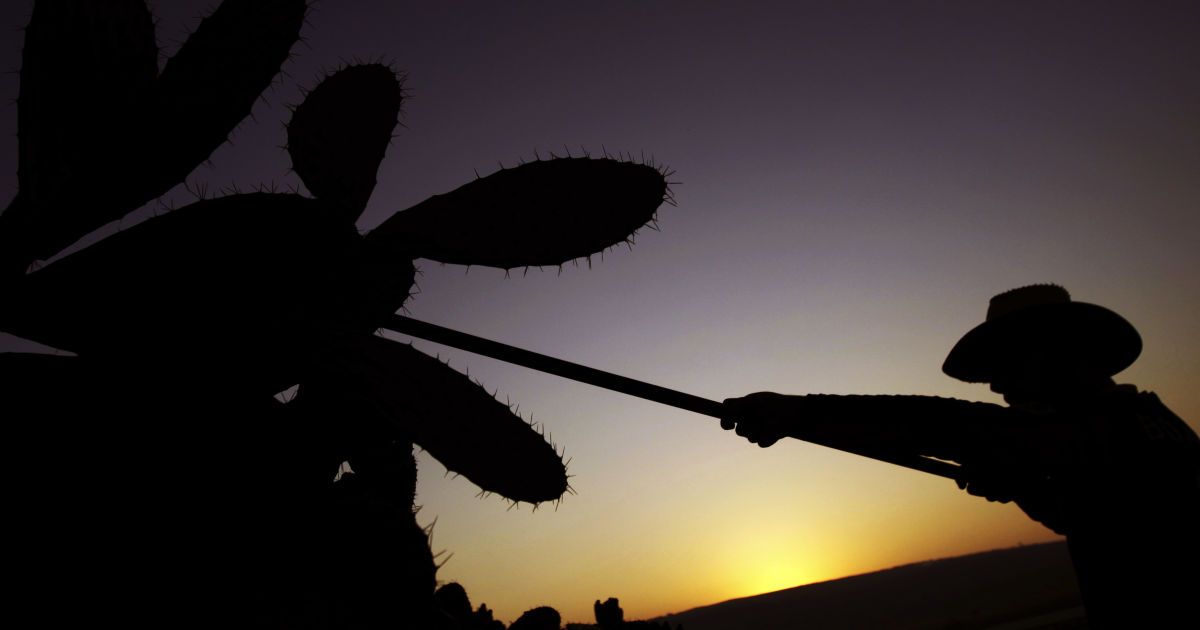
Researchers from the University of California have found that the prickly pear cactus can generate electric current due to its unique metabolic processes.
 💡Tech
Photo: TSN
Key points
- Using CAM photosynthesis for current generation
- Achieving 4.5 volts from eight stems
- Prospects for agro-monitoring application
A research team from the University of California, Santa Cruz, has presented an innovative method for using plants as sources of renewable energy. The development is based on a unique photosynthesis mechanism known as Crassulacean Acid Metabolism (CAM), characteristic of plants such as the prickly pear, aloe, and pineapple.
How the biological battery works
Researchers led by Professor Michael Loik and graduate Charlie Chesney discovered that a pH gradient occurs in the stems during the process of accumulating malic acid at night and processing it during the day. Installing electrodes allows this potential difference to be converted into electrical voltage.
- A single prickly pear stem generates up to 0.5 volts.
- Connecting eight stems provides 4.5 volts of energy.
- The system can power low-energy sensors for the agricultural sector.
Beyond its energy potential, the technology allows for monitoring the plant's health. Real-time voltage changes reflect physiological processes, making cacti effective "living sensors" for agricultural monitoring.
Source TSN — tsn.ua/nauka_it/roslyna-iaka-vyrobliaye-elektryku-vcheni-zrobyly-nespod… ↗
Read next
 ⚽Sport
Ukrainian boxing champion Kira Makohonenko refuses to change citizenship
18-year-old boxer Kira Makohonenko has declined offers to represent the USA and Australia, choosing to continue her career under the Ukrainian flag.
 🎓Education
Ukraine accelerates emissions trading system implementation for EU integration
The Ministry of Environmental Protection expects a swift response from the European Commission on the emissions trading bill, a key milestone for EU integration.
 🏛️Politics
Volodymyr Zelenskyy comments on his relationship with Donald Trump
The President of Ukraine responded to journalists' questions about whether Donald Trump had called him a friend, stating he does not recall the specific wording.
 🛡️Security
Zelensky: U.S. pressure on Russia is key to achieving peace
The President of Ukraine emphasized the importance of U.S. mediation and the principle of 'peace through strength' to end the war.
 🛡️Security
EU to summon Russian ambassador following damage to foreign embassies during Kyiv attack
The European Union is initiating the summoning of the Russian ambassador after diplomatic missions were damaged during a drone attack on Kyiv on November 19.
 🏛️Politics
The 'Carthage' Case: Parliamentary Committee Demands Answers from NABU and SAPO Leadership
Following testimony from SBU General Serhii Duka, doubts have emerged regarding the integrity of the 'Carthage' operation. Experts are calling for a thorough investigatio…